Tina Carter · 3 October 2026
Wave Energy Measurements Directing Reinforcement Techniques for Elevated Outdoor Platforms in High-Surf Coastal Properties
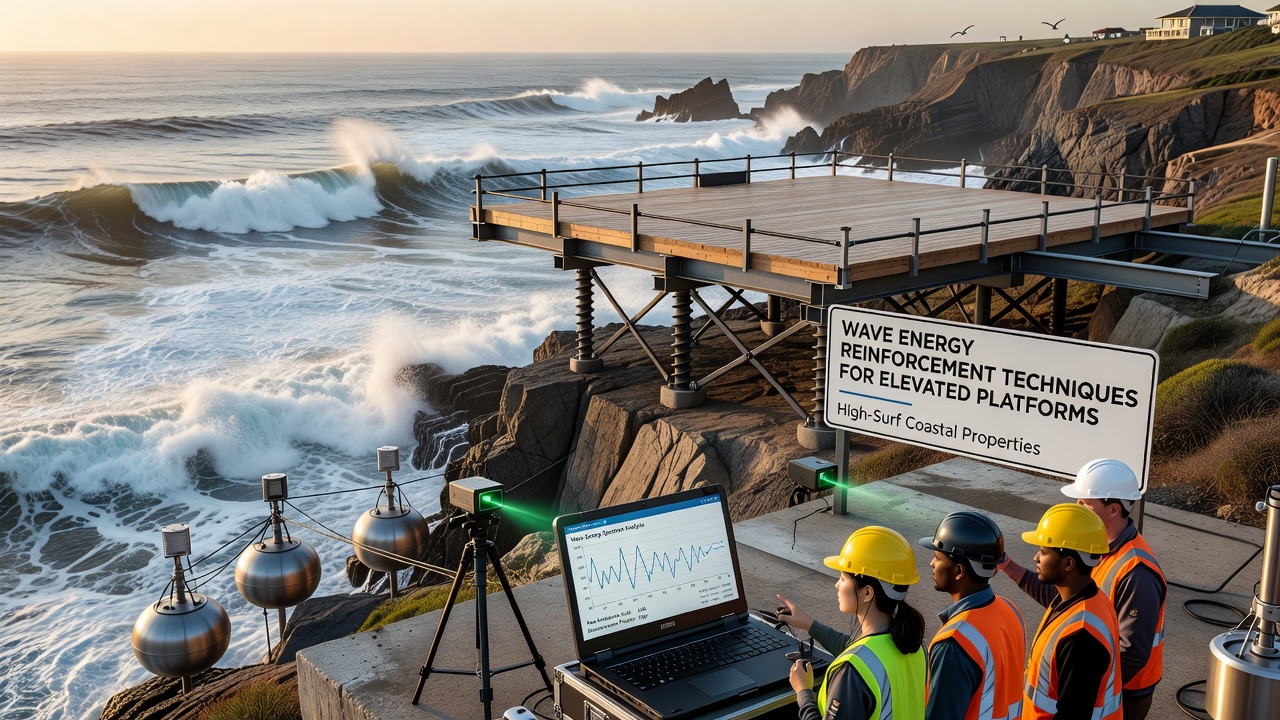
Coastal engineers rely on wave energy data collected from buoys, sensors, and satellite systems to determine how much force elevated outdoor platforms must withstand over time, and this information shapes decisions about material selection, pile depth, and bracing configurations in high-surf zones. Research programs operated by government agencies track wave height, period, and direction continuously, which allows structural designers to calculate peak loads that occur during storm events rather than relying on average conditions alone.
Collecting Wave Data in Active Coastal Zones
Measurement networks maintained by the National Oceanic and Atmospheric Administration provide real-time readings from stations along the Pacific and Atlantic coasts, while similar programs run by the Australian Bureau of Meteorology supply comparable records for southern hemisphere shorelines. These datasets include significant wave height values and spectral energy distributions that engineers convert into design parameters for deck framing and foundation anchors. Observers note that platforms located where wave energy exceeds 50 kilowatts per meter require additional cross-bracing and deeper embedment than structures in lower-energy environments.
Deployment of acoustic Doppler current profilers near construction sites supplies localized readings that capture wave reflection patterns created by existing seawalls or rocky outcrops. Such site-specific data reveals whether reinforcement should focus on vertical load paths or lateral resistance against breaking wave impacts. In October 2026 several monitoring arrays along the Oregon coast recorded sustained periods of elevated energy that prompted immediate reviews of platform footings scheduled for replacement the following season.
Applying Measurements to Reinforcement Design
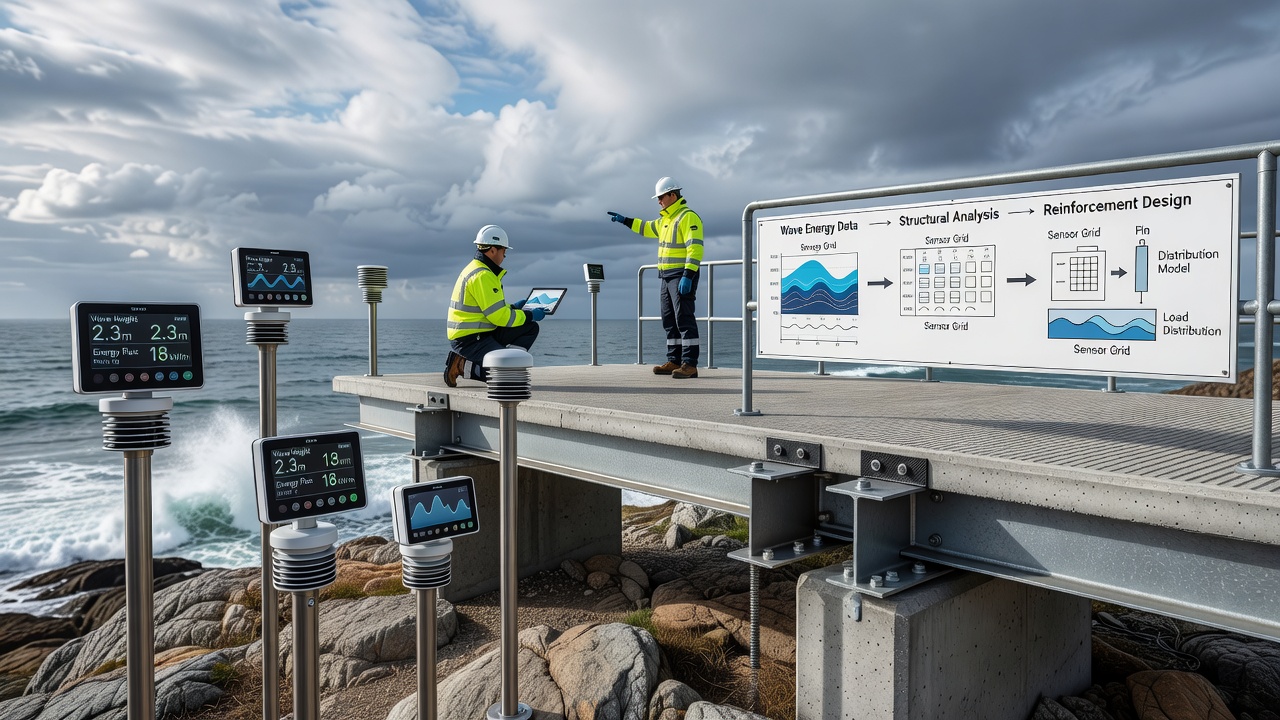
Structural calculations begin with conversion of wave energy figures into equivalent static loads, after which engineers select pile diameters and spacing that maintain safety factors under repeated cyclic stress. Concrete-filled steel tubes gain preference in zones where spectral analysis shows frequent short-period waves, because these members resist fatigue better than timber alternatives. Horizontal bracing members are sized according to the maximum force vectors derived from directional wave spectra, reducing the risk of progressive collapse during extreme events.
Drainage details also incorporate wave energy information because overtopping volumes influence the volume of water that must exit the platform surface without eroding supporting soil. Perforated decking combined with subsurface collection channels sized from historical storm data prevents hydrostatic pressure buildup beneath the structure. Reinforcement schedules therefore list both structural members and drainage components as interdependent elements informed by the same measurement record.
Case Examples from Monitored Sites
One project along the New South Wales coast used five years of wave buoy records to redesign an existing viewing deck after measurements indicated repeated loading above original design thresholds. Replacement piles were driven to a depth 40 percent greater than the prior installation, and stainless steel connectors replaced galvanized hardware throughout the frame. Follow-up inspections after subsequent winter storms confirmed that deflection remained within allowable limits once the updated reinforcement was complete.
Another installation in British Columbia incorporated strain gauges on newly placed piles so that ongoing wave energy measurements could be compared directly against structural response. The data stream confirmed that peak bending moments aligned with model predictions derived from spectral wave records, validating the reinforcement approach for similar sites facing comparable exposure. Engineers continue to refine connection details as additional seasons of readings accumulate.
Integration with Regulatory and Insurance Requirements
Building codes in several coastal jurisdictions now reference minimum wave energy thresholds that trigger enhanced reinforcement schedules, drawing on datasets maintained by national meteorological services. Permit applications must include summaries of measured wave parameters and resulting load calculations before approval for elevated platforms proceeds. Insurance providers likewise request evidence that design values reflect recorded rather than assumed conditions, which reduces premium adjustments following major storm seasons.
Coordination between measurement networks and design teams occurs through standardized reporting formats that translate raw buoy data into engineering parameters. This process ensures consistency across projects while allowing regional adjustments for differences in wave climate. Continued expansion of sensor coverage in under-monitored areas supports more precise reinforcement specifications as data density increases.
Conclusion
Wave energy measurements supply the quantitative foundation for reinforcement choices that protect elevated outdoor platforms against chronic high-surf exposure. Data from established monitoring programs informs pile depth, bracing configuration, drainage capacity, and material durability decisions that align structural capacity with observed conditions. As additional stations come online and historical records lengthen, design guidance for coastal properties continues to evolve based on measured evidence rather than generalized assumptions.